


Send Message
Privacy statement: Your privacy is very important to Us. Our company promises not to disclose your personal information to any external company with out your explicit permission.
 Hebei Shijing Changtian Metal structure products Co., LTD


A Shark Fin Sleeve Anchor is a specialized foundation component designed to secure photovoltaic structures in diverse geological conditions. Unlike traditional concrete footings, these anchors use a helical screw design with "shark fin" blades that dig into the soil as they are rotated, providing immediate load-bearing capacity without curing time.
For B2B procurement teams managing large-scale solar farms, this technology offers a distinct advantage: rapid deployment and reduced civil engineering costs. By eliminating the need for heavy excavation and concrete pouring, you can accelerate your project timeline while maintaining structural integrity in sandy, clay, or rocky terrains.
At Hebei Shijing Changtian Metal Structure Products Co., Ltd., we manufacture these anchors using high-strength Q235B and Q355B steel, ensuring they meet the rigorous demands of renewable energy infrastructure worldwide.
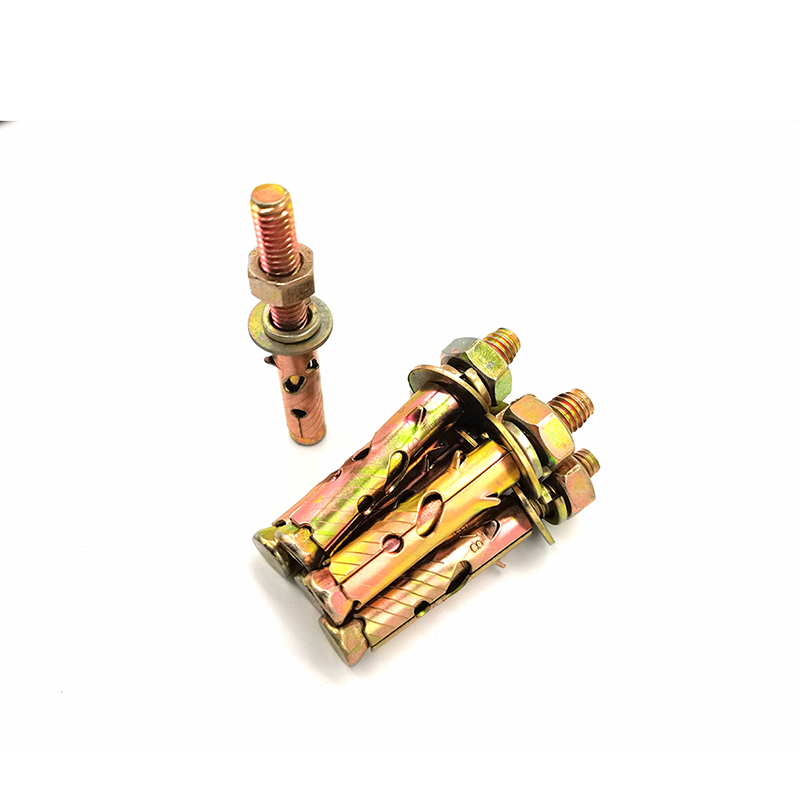
Located in Yongnian, the "Capital of Fasteners," we leverage local supply chain synergies to reduce raw material costs. This allows us to offer highly competitive pricing on bulk orders of Shark Fin Sleeve Anchors without compromising on quality.
With six automated production lines and over 30 punching machines, we can handle large-volume orders efficiently. Our inventory support ensures rapid delivery, helping you avoid project delays caused by supply chain bottlenecks.
Every anchor undergoes layer-by-layer inspection from raw materials to finished products. We adhere to strict standards, including GB/T 13912 for hot-dip galvanizing, ensuring corrosion resistance that exceeds industry averages.
Our R&D team provides tailored solutions based on your specific geological data and wind load requirements. Whether you need custom pile lengths or specialized coatings for corrosive environments, we adapt to your needs.
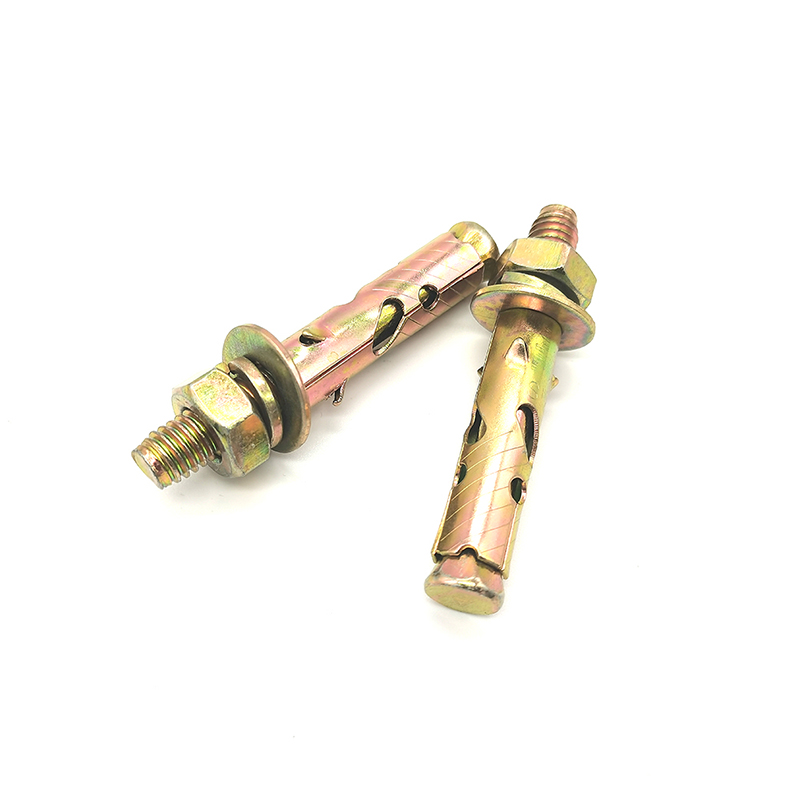
Our commitment to quality begins with premium raw materials. We use Q235B and Q355B steel, which offer superior base material strength compared to standard industry options. This ensures that every solar panel mount anchor can withstand significant tensile and compressive loads.
Corrosion resistance is critical for long-term durability. Our anchors follow the GB/T 13912 standard, featuring a zinc layer thickness of not less than 85μm. This protection has been tested to withstand over 3,000 hours of salt spray testing, making them suitable for harsh environments like coastal areas or saline-alkali soils.
Hebei Shijing Changtian operates two major production bases covering 25,000 square meters. Our facilities are certified under ISO 9001, ISO 14001, and ISO 45001, reflecting our dedication to quality management, environmental responsibility, and occupational health and safety.
The type of soil—whether soft clay, sandy, or rocky—dictates the anchor's design. For soft soil layers, extended spiral ground screws provide better stability. In hard soil, shorter piles may suffice. Always conduct a site survey before ordering.
Determine the wind load and snow load specific to your region. The outer diameter of the anchor (ranging from 60mm to 140mm) must be selected to match these forces, ensuring the structure remains stable during extreme weather events.
For projects near coastlines or in industrial zones, verify the anti-corrosion scheme. Standard hot-dip galvanization may need to be upgraded to EN-ISO-1461 standards for CX-level corrosive environments to extend the warranty period.
Ensure your supplier holds relevant international certifications such as ISO 9001 and complies with standards like EN1090-1 for steel structures. This reduces compliance risks and simplifies the approval process for your project.
Look for suppliers who offer more than just products. Companies like SJCT provide full supply chain solutions, from design and manufacturing to logistics and after-sales support. This one-stop approach simplifies procurement and reduces coordination risks.
Prioritize suppliers with a proven track record in exporting to your region. SJCT has established partnerships in Europe, Asia, Africa, and the Americas, understanding local certification requirements and market dynamics.
Choose partners who invest in R&D. Regular product iterations and the ability to customize specifications for unique geological challenges ensure that your project receives the most efficient and durable foundation solution.
Support suppliers committed to green construction. Our zero-excavation installation method minimizes site damage, and our products are 100% recyclable, aligning with the sustainability goals of modern renewable energy projects.
To prevent corrosion, specify anchors with enhanced hot-dip galvanization (GB/T 13912) or additional protective coatings for CX-level environments. Ensure the zinc layer thickness exceeds 85μm and request salt spray test reports from your supplier.
Delays often result from mismatched anchor specifications for the local geology. Conduct thorough soil surveys beforehand and consult with your supplier to select the correct pile length and blade configuration for optimal torque and penetration.
Partner with manufacturers who have automated production lines and rigorous quality control systems. Ask for ISO 9001 certification and request sample testing before finalizing bulk orders to verify material strength and coating uniformity.
Low-cost options may compromise on steel grade (e.g., using Q235 instead of Q355) or skip proper galvanizing processes. This can lead to structural failures and higher replacement costs. Always prioritize total cost of ownership over initial price.
About Us
Related Products List
Contact Us

Privacy statement: Your privacy is very important to Us. Our company promises not to disclose your personal information to any external company with out your explicit permission.
Fill in more information so that we can get in touch with you faster
Privacy statement: Your privacy is very important to Us. Our company promises not to disclose your personal information to any external company with out your explicit permission.