


Send Message
Privacy statement: Your privacy is very important to Us. Our company promises not to disclose your personal information to any external company with out your explicit permission.
 Hebei Shijing Changtian Metal structure products Co., LTD


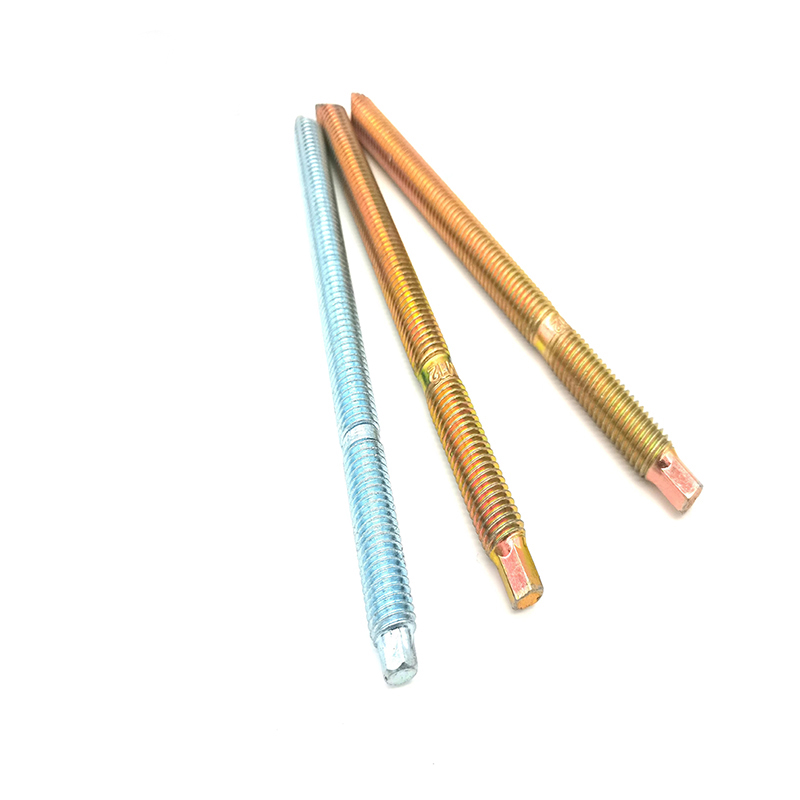
A chemical anchor bolt catalogue is a comprehensive resource that details the specifications, applications, and technical parameters of chemical anchoring systems used in construction and infrastructure projects. These anchors provide superior holding power in concrete, masonry, and stone, making them essential for securing structural components, facades, railings, and heavy machinery.
For procurement professionals, understanding the catalogue helps identify the right anchor type for specific load requirements, substrate conditions, and environmental exposures. The catalogue typically includes data on resin types (such as vinyl ester, epoxy, or acrylic), base material strengths, corrosion resistance ratings, and approval certifications from international bodies like ETA (European Technical Assessment).
At Hebei Shijing Changtian Metal Structure Products Co., Ltd., our expertise extends beyond traditional fasteners to include advanced foundation solutions like helical piles and ground screws. While we specialize in these products, our deep understanding of structural integrity and material science ensures that every component we supply meets rigorous quality standards. This knowledge translates into reliable performance for your projects, whether you are sourcing anchors or complete PV foundation systems.
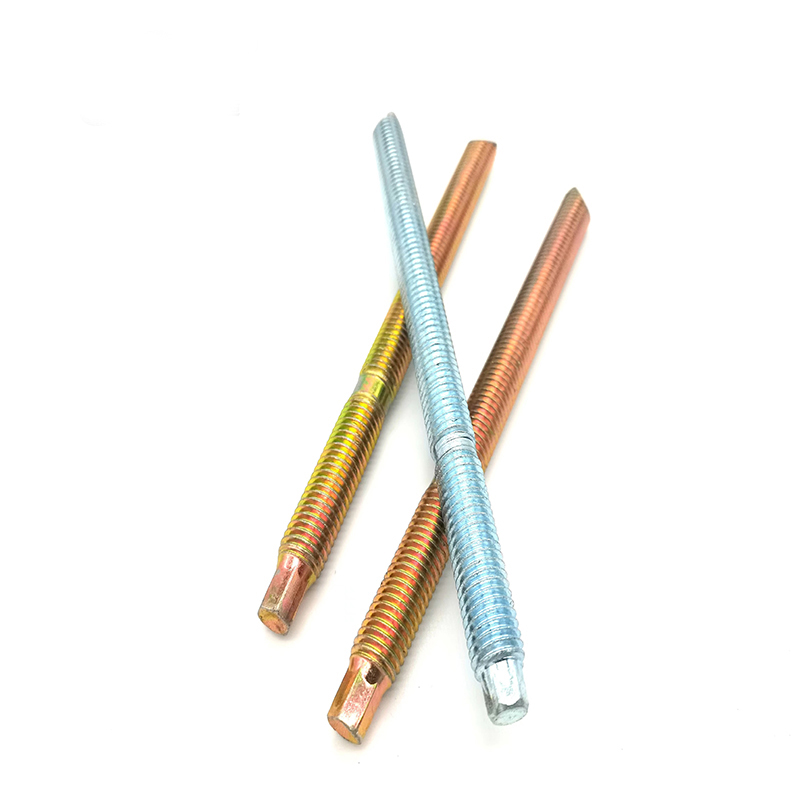
The manufacturing of high-performance structural fasteners and anchor systems demands precision engineering, rigorous quality control, and adherence to international standards. At Hebei Shijing Changtian, we apply these same principles to our production of helical piles, ground screws, and related metal structure products.
Our facilities in Yongnian and Xingtai span 25,000 square meters and feature automated production lines that increase efficiency by over 40%. Each product undergoes layer-by-layer inspection from raw material intake to finished goods. We use Q235B and Q355B steel grades, which offer base material strength far exceeding industry averages, ensuring long-term durability even in harsh environments.
Corrosion protection is critical for any foundation accessory exposed to the elements. Our products follow the GB/T 13912 standard for hot-dip galvanizing, with zinc layers no thinner than 85 microns. This provides a salt spray test life exceeding 3,000 hours, far outperforming ordinary electro-galvanized alternatives. For extreme environments such as offshore platforms or saline-alkali lands, we offer customized anti-corrosion schemes compliant with EN-ISO-1461.
Quality assurance is further reinforced by our ISO 9001, ISO 14001, and ISO 45001 certifications. A full-process self-inspection mechanism ensures that every batch meets exact specifications before shipment. This commitment to quality reduces your risk of field failures, minimizes warranty claims, and protects the reputation of your completed projects.
Selecting the appropriate foundation anchor system requires careful evaluation of geological conditions, load requirements, environmental factors, and project timelines. Whether you are installing photovoltaic brackets, constructing a commercial building, or securing industrial equipment, making the wrong choice can lead to costly delays and structural compromises.
Soil composition directly impacts anchor performance. Sandy soil, clay, rock, and soft swampy ground each require different anchor designs. Helical piles and ground screws excel in varied geologies because their helical blades can be screwed into the ground without excavation. For soft soil layers, extended spiral designs provide additional grip, while hard soil layers may require shorter pile bodies with reinforced tips.
Every anchor must support both dead loads (the weight of the structure) and live loads (wind, seismic activity, snow). PV installations in windy regions demand higher pull-out resistance. Our helical piles come in outer diameters ranging from 60mm to 140mm, allowing you to select the precise model for your load calculations. Always consult engineering data sheets and verify bearing capacity against local building codes.
Coastal projects face salt spray corrosion, while industrial zones may encounter chemical exposure. Standard hot-dip galvanized anchors perform well in most environments, but CX-level corrosive conditions require specialized coatings. Choosing an anchor with adequate corrosion protection extends service life and reduces maintenance costs over the project's lifetime.
Time is money on construction sites. Traditional concrete footings require curing periods of several days, delaying subsequent work. In contrast, screw-type foundations can be installed in approximately 3 minutes per unit using hydraulic torque drivers. This 50% improvement in installation speed accelerates project completion and reduces labor costs significantly.
Procuring structural fasteners and foundation accessories involves multiple decision points. Use this checklist to ensure you evaluate all critical factors before placing orders, reducing the risk of mismatched specifications, delayed deliveries, or substandard materials.
Confirm that suppliers provide mill certificates for Q235B, Q355B, or other specified steel grades. Avoid unverified materials that may fail under stress.
Request documentation proving compliance with GB/T 13912 or EN-ISO-1461 for hot-dip galvanizing. Verify zinc layer thickness meets your project's minimum requirements.
Ensure the supplier has sufficient daily and annual output capacity to meet your order volume without compromising delivery schedules. Ask about inventory levels and lead times.
Request pull-out test results, salt spray test reports, and load-bearing capacity data from independent laboratories. These validate the supplier's performance claims.
If you require custom specifications, verify the supplier's ability to adapt pile diameters, thread spacing, and coating options to your exact project needs.
Review warranty periods for main structures (typically 10 years) and accessories (5 years). Understand what defects are covered and what constitutes improper installation.
Choosing the right supplier is as important as selecting the right product. A reliable partner provides not only quality hardware but also technical support, timely delivery, and responsive after-sales service. Here are key recommendations for evaluating potential suppliers of structural fasteners and foundation accessories.
Suppliers with large-scale facilities like 25,000 square meters and multiple automated production lines demonstrate the capacity to handle bulk orders consistently. Small workshops may struggle with quality control and delivery deadlines during peak demand periods.
Suppliers who have exported to 15+ countries across Europe, Asia, Africa, and the Americas understand diverse certification requirements, packaging standards, and logistics challenges. This experience reduces friction when importing foundation accessories to your region.
Companies investing in dedicated R&D teams with senior engineers continuously optimize product designs for new geological and wind load conditions. This innovation capability ensures you receive updated solutions rather than outdated generic products.
Look for suppliers offering pre-sales customization based on your drawings and terrain data, in-sales production tracking, and after-sales technical support including 24/7 English consultation. A full-process service system simplifies your procurement workflow significantly.
Procurement professionals frequently encounter challenges when sourcing structural fasteners and foundation accessories. Understanding these common pitfalls allows you to implement preventive measures and avoid costly mistakes.
Below are answers to common questions buyers ask when sourcing chemical anchor bolts, helical piles, ground screws, and related foundation accessories.
Chemical anchor bolts are adhesive-based fasteners injected into drilled holes in concrete or masonry, providing high holding power for light to medium structural connections. Helical piles are mechanical screw-type foundations driven into soil, designed to support heavy loads from structures like PV arrays, buildings, and bridges. Both serve anchoring purposes but operate in different substrates and load ranges.
When applied according to GB/T 13912 or EN-ISO-1461 standards with a minimum zinc layer of 85μm, hot-dip galvanizing typically provides over 3,000 hours of salt spray resistance. In normal atmospheric conditions, this translates to a service life exceeding 10 years. For extremely corrosive environments such as offshore or saline-alkali regions, customized coatings can extend warranty periods to 15 years.
Yes. Our R&D team offers full-process OEM/ODM services, customizing pile outer diameters (60mm to 140mm), thread spacing, blade configurations, and coating options based on your project's geological survey data and load requirements. This precision adaptation ensures optimal performance in sandy soil, clay, rock, or soft swamp conditions.
We provide a 10-year warranty for the main structure of helical piles and ground screws, covering deformation, fracture, and anti-corrosion coating peeling caused by material or welding defects. Core accessories like pile tips carry a 5-year warranty. Defects resulting from improper installation, geological anomalies, or extreme natural disasters are excluded from warranty coverage.
With 25,000 square meters of factory space, six PV bracket production lines, and an annual output capacity of 3 million pieces, we maintain a daily supply rate of 30,000 units. Combined with 10,000-ton level inventory support and intelligent production scheduling, we achieve rapid delivery timelines that accommodate large-scale PV power station projects without supply interruption risks.
Yes. We provide 24/7 English technical consultation via email, video conference, and online customer service. For large-scale overseas projects, professional engineers can be dispatched for on-site installation guidance. Bulk purchase customers enjoy free on-site technical support, reducing training costs and ensuring correct installation procedures.
About Us
Related Products List
Contact Us

Privacy statement: Your privacy is very important to Us. Our company promises not to disclose your personal information to any external company with out your explicit permission.
Fill in more information so that we can get in touch with you faster
Privacy statement: Your privacy is very important to Us. Our company promises not to disclose your personal information to any external company with out your explicit permission.