


Send Message
Privacy statement: Your privacy is very important to Us. Our company promises not to disclose your personal information to any external company with out your explicit permission.

EN


A heavy duty ceiling anchor is a specialized mechanical fastener engineered to secure high-load structural components directly to concrete, masonry, or steel substrates. Unlike standard anchors, these devices are designed to withstand extreme tension and shear forces without compromising the integrity of the host material.
In industrial environments, suspended ceilings, lighting rigs, and HVAC systems place immense downward pressure on building structures. Heavy duty ceiling anchors distribute this load across a larger surface area of the substrate, preventing pull-out failures that can lead to catastrophic equipment damage or safety hazards.
Constructed from high-grade steel alloys often treated with hot-dip galvanization or epoxy coatings, these anchors resist corrosion in harsh chemical or outdoor environments. This durability ensures a long service life, reducing the need for frequent maintenance and replacement.
At Hebei Shijing Changtian Metal Structure Products Co., Ltd., the production of heavy duty ceiling anchors and related structural fasteners is governed by rigorous quality control protocols. With two manufacturing bases covering 25,000 square meters, we leverage automated production lines to ensure every unit meets international load-bearing specifications.
Our facilities operate under ISO 9001, ISO 14001, and ISO 45001 certifications. This systematic approach guarantees consistency in raw material selection—primarily Q235B and Q355B steel—and precise heat treatment processes that enhance tensile strength beyond industry averages.
We apply hot-dip galvanization strictly following GB/T 13912 standards, ensuring a zinc layer thickness of no less than 85μm. This process provides a salt spray test life exceeding 3,000 hours, making our anchors ideal for humid, coastal, or chemically aggressive environments where standard fasteners would fail prematurely.
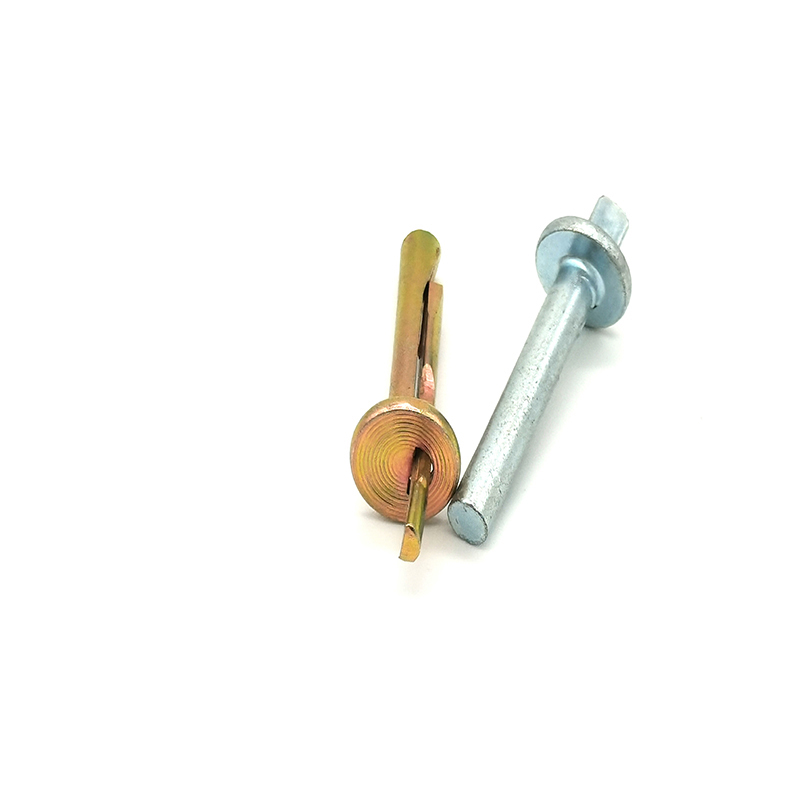
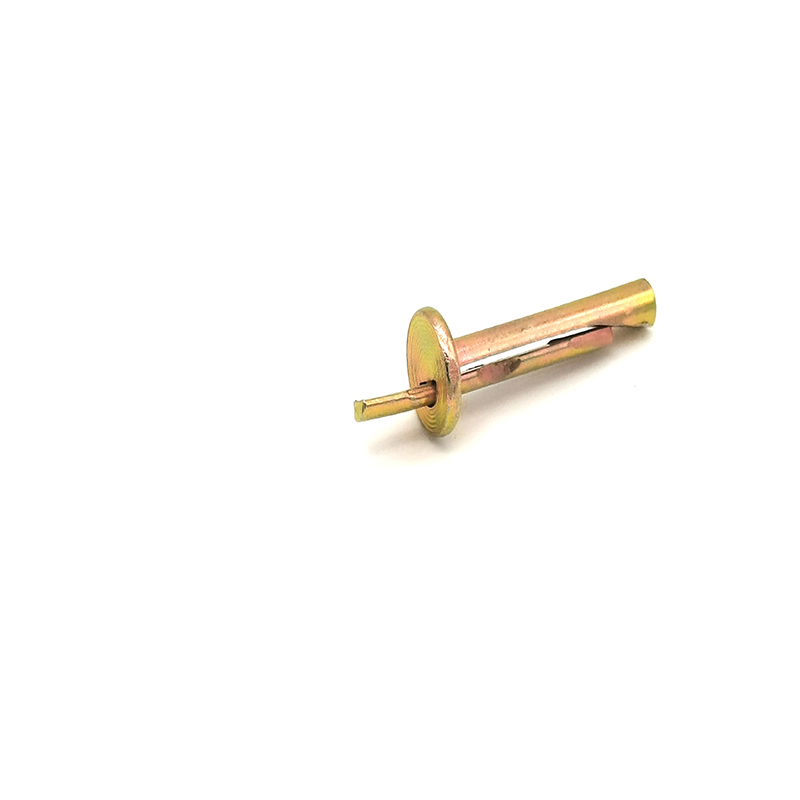
Selecting the correct heavy duty ceiling anchor requires a detailed analysis of your project's specific load requirements and environmental conditions. A mismatch in anchor type can lead to structural failure or unnecessary expenditure.
The base material—whether reinforced concrete, solid brick, or hollow block—dictates the anchor mechanism. For heavy loads in concrete, wedge anchors or drop-in anchors provide superior holding power. In masonry, sleeve anchors or lead shields may be more appropriate.
Determine both the static weight of the suspended object and dynamic forces (vibration, wind load, seismic activity). Always apply a safety factor of at least 4:1. For example, if a light fixture weighs 50kg, the anchor must support at least 200kg of tension.
For installations in food processing plants, marine environments, or chemical facilities, standard steel anchors will corrode rapidly. Opt for stainless steel or heavily galvanized options with specialized coatings to extend asset lifespan and reduce maintenance downtime.
Before finalizing your procurement order, use this comprehensive checklist to verify that your supplier and product selection align with your project's technical and commercial needs.
Verify that the anchor's rated working load limit (WLL) exceeds your calculated demand with an adequate safety factor.
Ensure products carry relevant engineering approvals (ETA, ICC-ES) and manufacturer ISO certifications.
Confirm the steel grade (e.g., Q235B, Q355B, or Stainless Steel 304/316) matches environmental exposure risks.
Check for hot-dip galvanization or epoxy coating thickness suitable for your specific corrosion category (C3, C4, or C5).
Assess the manufacturer's ability to deliver large volumes on time, checking for inventory levels and production flexibility.
Choose a supplier who offers installation guidance, torque specifications, and after-sales warranty coverage.
When sourcing heavy duty ceiling anchors and related metal structure products, partnering with a vertically integrated manufacturer offers significant advantages over trading companies. Hebei Shijing Changtian Metal Structure Products Co., Ltd. stands out as a premier choice for global buyers.
By eliminating middlemen, we offer highly competitive pricing without compromising on material quality. Our location in Yongnian, the "Capital of Fasteners in China," allows us to optimize supply chain costs and pass those savings directly to you.
With an annual output capacity of 3 million pieces and multiple automated production lines, we can scale production to meet urgent project deadlines. Our intelligent scheduling system ensures consistent delivery times even during peak seasons.
Our team of 10 senior engineers and 20 R&D specialists can customize anchor dimensions, thread specifications, and load capacities to fit unique architectural or industrial requirements, supporting both OEM and ODM projects.
Our products comply with international standards including EN1090-1:2009+A1:2011 and ASTM. We assist customers in navigating local certification requirements, ensuring smooth market access in Europe, North America, and beyond.
Heavy duty ceiling anchors are critical components across a diverse range of industries where structural stability and safety are paramount. Their versatility allows them to support everything from massive industrial machinery to delicate precision equipment.
Used to secure overhead piping, cable trays, and insulation supports in power generation facilities. The anchors must withstand vibration and high temperatures while maintaining strict load-bearing limits.
Essential for installing suspended ceilings, acoustic panels, and decorative lighting in malls, airports, and stadiums. They provide the hidden structural integrity required for large-span architectural designs.
Support overhead cranes, conveyor systems, and racking structures in logistics centers. High-tensile anchors ensure that moving loads do not compromise the building's ceiling infrastructure.
Specialized corrosion-resistant anchors are used in shipyards and offshore platforms to secure equipment in highly saline and corrosive environments, ensuring long-term reliability.
Critical for supporting heavy server racks, cooling units, and fire suppression systems. Precision anchoring prevents vibration transfer and ensures stable operation of sensitive electronic equipment.
Used for temporary or semi-permanent displays, signage, and hanging fixtures in retail spaces. Quick-installation anchors allow for flexible store layouts and rapid merchandise changes.
Standard drywall anchors are designed for lightweight loads like pictures or small shelves and rely on friction within brittle gypsum board. Heavy duty ceiling anchors are engineered for structural applications, expanding into or gripping the underlying concrete or masonry substrate to support hundreds of kilograms of weight safely.
Yes, but you must select the correct anchor type. Standard wedge anchors may crack hollow blocks. Instead, use toggle bolts, butterfly anchors, or specialized hollow-wall anchors that distribute the load behind the block face. Our engineering team can recommend the optimal solution based on your substrate type.
The European Technical Assessment (ETA) is a standardized evaluation of a construction product's performance. An ETA approval indicates that the anchor has undergone rigorous testing for load capacity, fire resistance, and durability, providing assurance to architects and engineers that the product meets EU construction standards.
Hot-dip galvanization involves immersing steel in molten zinc, creating a metallurgical bond that forms a durable, sacrificial coating. This zinc layer protects the underlying steel from rust even if the coating is scratched, significantly extending the lifespan of the anchor in wet or corrosive environments.
Absolutely. We specialize in OEM and ODM services. Whether you need non-standard lengths, specific thread pitches, or custom load ratings, our R&D team can design and manufacture tailored solutions to meet your exact project specifications.


Privacy statement: Your privacy is very important to Us. Our company promises not to disclose your personal information to any external company with out your explicit permission.
Fill in more information so that we can get in touch with you faster
Privacy statement: Your privacy is very important to Us. Our company promises not to disclose your personal information to any external company with out your explicit permission.