


Send Message
Privacy statement: Your privacy is very important to Us. Our company promises not to disclose your personal information to any external company with out your explicit permission.
 Hebei Shijing Changtian Metal structure products Co., LTD


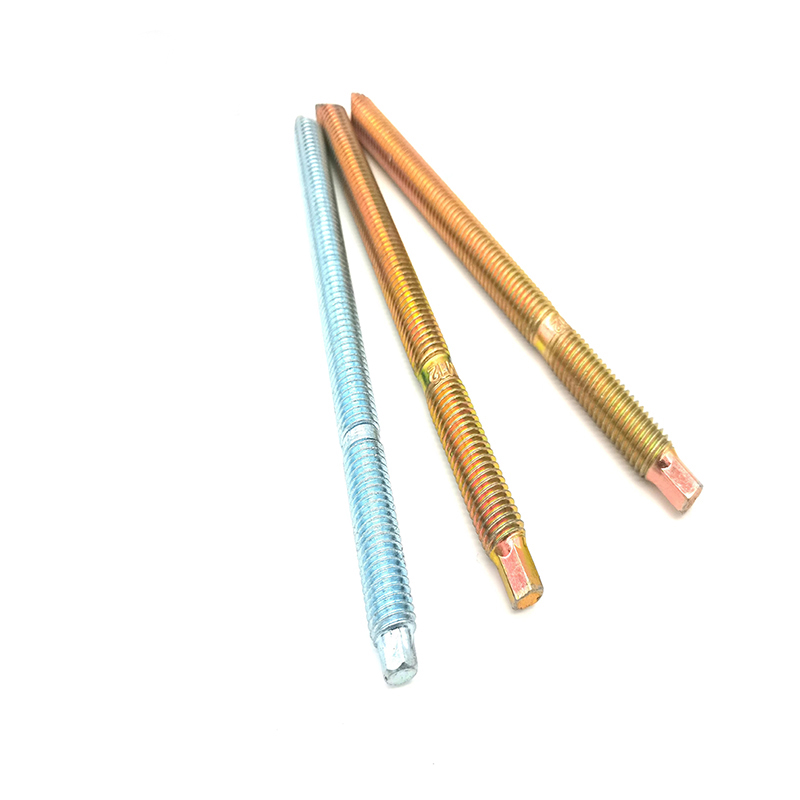
A chemical anchor bolt is a high-performance fastening solution that combines a threaded rod with a specialized resin-based adhesive to create a permanent, load-bearing connection within concrete substrates. Unlike traditional mechanical anchors that rely solely on friction or expansion, chemical bolts use the curing strength of the resin to distribute stress evenly across the base material.
This technology is critical for modern construction, particularly in photovoltaic (PV) mounting systems and heavy infrastructure projects. By providing superior pull-out strength and resistance to vibration, chemical bolts ensure the structural integrity of solar arrays, bridge supports, and industrial machinery foundations. For procurement buyers, choosing the right chemical bolt system means reducing the risk of structural failure and extending the maintenance lifecycle of your project assets.
Chemical adhesives distribute loads over a larger surface area than mechanical anchors, allowing for higher holding strengths in cracked concrete.
Effective in both solid and hollow concrete, as well as brick and stone, making them ideal for diverse construction environments.
The monolithic bond created by the resin resists dynamic loads and vibrations, essential for solar tracking systems and machinery.
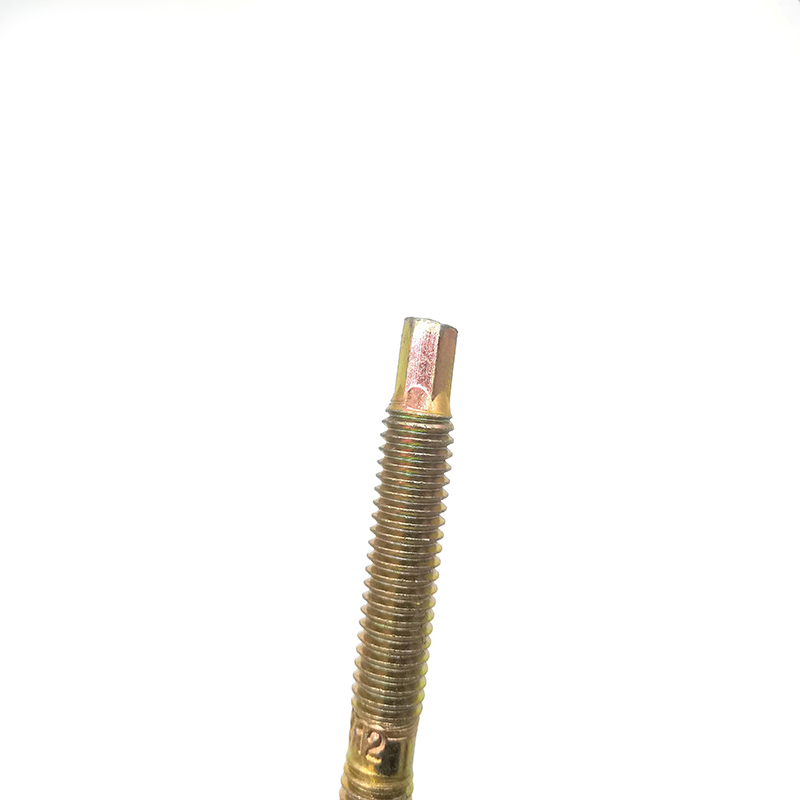
At Hebei Shijing Changtian Metal Structure Products Co., Ltd., quality is not just a checkpoint; it is a continuous process embedded in our 25,000 square meter production facilities. We adhere to strict ISO 9001 standards to ensure every chemical bolt meets international engineering specifications.
Our manufacturing process begins with the selection of premium raw materials, including high-grade steel rods and certified resin cartridges. Each batch undergoes rigorous testing for tensile strength, corrosion resistance, and chemical stability. This commitment to precision allows us to provide reliable solutions for demanding applications, from offshore wind farms to large-scale solar installations.
Selecting the correct chemical anchor bolt requires a thorough understanding of your project's specific environmental and structural demands. The wrong choice can lead to premature failure, costly repairs, or safety hazards. Buyers must evaluate substrate conditions, load requirements, and environmental exposure before finalizing specifications.
Key factors include the type of base material (concrete, masonry, or stone), the presence of cracks in the concrete, and the level of seismic activity in the region. Additionally, consider the installation environment; for instance, underwater or highly humid conditions require specialized vinyl ester resins that are insensitive to water during curing.
For standard indoor applications, polyester resin may suffice. However, for outdoor PV mounts or chemical plants, opt for styrene-free vinyl ester or epoxy resins for maximum chemical and UV resistance.
Use this checklist to streamline your procurement process and mitigate supply chain risks when sourcing chemical anchor bolts. Ensuring compliance with these criteria will help you secure a reliable supplier capable of meeting your project timelines and quality standards.
Verify that the supplier holds valid ISO 9001 certification. Check for product-specific approvals such as ETA (European Technical Assessment) or ICC-ES reports if your project requires international code compliance.
Does the supplier offer engineering support? Look for vendors who provide calculation sheets, installation guides, and on-site training to ensure proper application.
Assess the manufacturer's production capacity and inventory levels. A robust supplier should have the ability to deliver large volumes on time without compromising quality.
Review warranty terms and return policies. A reputable manufacturer stands behind their products with clear guidelines for handling defects or installation errors.
Chemical bolts are indispensable across a wide range of industries due to their versatility and high load-bearing capacity. From renewable energy infrastructure to heavy industrial machinery, these fasteners provide the secure connections necessary for long-term stability.
Used to mount racking systems on rooftops and ground-mounted structures. Their ability to anchor into thin concrete slabs and metal decks makes them ideal for PV installations.
Essential for attaching railings, sound barriers, and signage to existing concrete structures. They also play a key role in seismic retrofitting and bridge reinforcement.
Secure heavy equipment to factory floors, resisting the dynamic forces and vibrations generated by operating machinery. Critical for maintaining alignment and safety.
Specialized marine-grade chemical bolts are used in docks, piers, and offshore platforms, where resistance to saltwater corrosion is paramount.
Provide secure anchoring for building exteriors, ensuring that heavy cladding materials remain safely attached to the primary structure against wind loads.
Ideal for adding new elements to existing structures, such as installing staircases or mezzanines, without the need for extensive drilling or modification.
Improper installation is the leading cause of anchor failure. Understanding common pitfalls can help procurement managers and site supervisors enforce better quality control measures.
Dust and debris left in the drilled hole act as a lubricant, preventing the resin from bonding properly with the concrete. This significantly reduces pull-out strength. Always use compressed air and brushes for cleaning.
Using mismatched cartridges and injectors can lead to incomplete mixing or insufficient adhesive volume. Ensure that the injection equipment matches the specific cartridge size and resin type.
Resins cure differently based on temperature. Installing in freezing conditions or extreme heat without adjusting for curing time can result in weak bonds. Follow manufacturer guidelines for ambient temperature ranges.
Applying excessive torque before the resin has fully cured can disrupt the bond. Wait for the specified curing time before applying any load or tightening the nut to full specification.
When sourcing chemical bolts and related fasteners, partnering with a manufacturer that offers comprehensive solutions is crucial. Hebei Shijing Changtian Metal Structure Products Co., Ltd. (SJCT) stands out as a preferred partner for global buyers due to our integrated approach to quality, innovation, and service.
As a vertically integrated manufacturer, we control every step of the production process, from raw material sourcing to final packaging. This ensures consistent quality and competitive pricing.
Our dedicated R&D team continuously innovates to develop resins and anchor designs that meet the evolving needs of the construction and renewable energy sectors.
With experience in exporting to Europe, Asia, and beyond, we have established efficient logistics channels to ensure timely delivery to international destinations.
We offer OEM/ODM services to tailor product specifications, packaging, and branding to your specific project requirements, helping you build a stronger market presence.
Mechanical anchors rely on friction or interlocking with the base material, which can cause stress concentrations. Chemical bolts use a resin adhesive to create a bond that distributes loads more evenly, offering higher capacity in cracked concrete and allowing for closer edge distances.
Standard polyester and vinyl ester resins are sensitive to water and may not cure properly in wet holes. However, specialized epoxy resins are available that are insensitive to moisture and can be installed in wet or submerged conditions.
Curing time depends on the resin type and ambient temperature. Generally, initial set occurs within 10-30 minutes, but full strength is reached in 24 hours. Always refer to the technical data sheet for specific curing times at your project's temperature.
Yes, many chemical anchor systems are certified for seismic (earthquake) resistance. Look for products with ETA certifications that specifically mention compliance with seismic design standards (e.g., EN 1998-1).
The minimum edge distance varies by product and diameter but is typically smaller than that required for mechanical anchors. This allows for more flexible design options in dense reinforcement scenarios. Consult the manufacturer's installation guide for precise values.
About Us
Related Products List
Contact Us

Privacy statement: Your privacy is very important to Us. Our company promises not to disclose your personal information to any external company with out your explicit permission.
Fill in more information so that we can get in touch with you faster
Privacy statement: Your privacy is very important to Us. Our company promises not to disclose your personal information to any external company with out your explicit permission.