

Send Message
Privacy statement: Your privacy is very important to Us. Our company promises not to disclose your personal information to any external company with out your explicit permission.

EN


A drywall self-tapping screw is a specialized fastener designed to create its own thread as it penetrates materials without pre-drilling. Unlike traditional screws that require a pilot hole, these screws feature a sharp point and aggressive threading that cut into drywall, metal studs, or wood framing with minimal effort.
For construction project managers and procurement specialists, understanding the specific type of self-tapping screw required for your project is crucial. The wrong choice can lead to stripped threads, material cracking, or structural failure. Our drywall self-tapping screws are engineered for high shear strength and corrosion resistance, ensuring long-lasting connections in both residential and commercial drywall installations.
Key Benefit: Using the correct drywall self-tapping screw reduces installation time by up to 30% compared to pre-drilling methods, lowering labor costs while maintaining superior holding power.
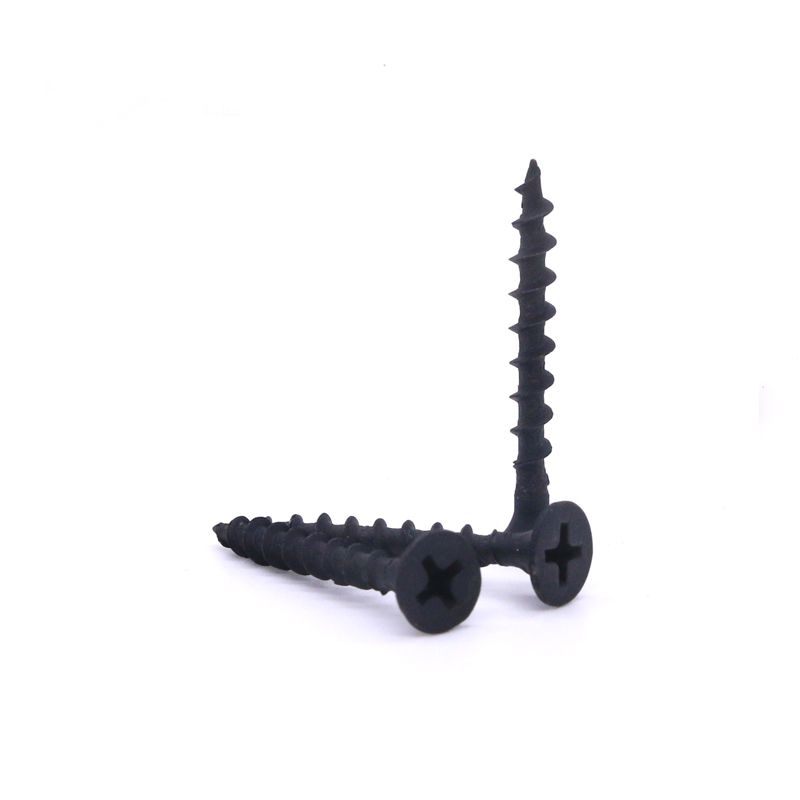
At Hebei Shijing Changtian Metal Structure Products Co., Ltd., quality is not an afterthought—it is the foundation of our production process. With over 25,000 square meters of manufacturing space and two fully equipped production plants, we maintain rigorous control over every drywall self-tapping screw we produce.
Our automated production lines utilize premium-grade steel alloys, ensuring each screw meets exacting standards for tensile strength and durability. Every batch undergoes multi-stage inspections, from raw material verification to final packaging, guaranteeing consistent performance across large-volume orders.
Why This Matters to You: Our ISO 9001-certified quality management system means fewer defective units, reduced site rework, and predictable supply chains. When you source drywall self-tapping screws from SJCT, you get products that perform reliably under pressure—whether for a small renovation or a massive commercial build.
Selecting the appropriate drywall self-tapping screw involves evaluating several critical factors: material compatibility, thread pitch, head type, and coating specifications. A mismatch between screw characteristics and application requirements can compromise structural integrity and increase installation difficulties.
Ensure the screw material matches the substrate. For metal stud drywall applications, use screws with sufficient hardness to penetrate steel without stripping. For wood framing, consider screws with sharper points for easier penetration.
Coarse threads provide faster driving and better grip in soft materials like wood. Fine threads offer superior holding power in metal studs and reduce the risk of material cracking during installation.
Bugle head screws are specifically designed for drywall to prevent surface damage. Pan head or wafer head options work well for securing trim or attaching accessories where flush mounting is required.
Choose between zinc-plated, phosphate-coated, or stainless steel options based on environmental conditions. Indoor applications may only require basic plating, while exterior or high-humidity zones need enhanced protection.
Pro Tip: Always request sample packs before placing bulk orders. Testing drywall self-tapping screws on-site with your specific tools and materials helps identify the optimal specification for your project's unique requirements.
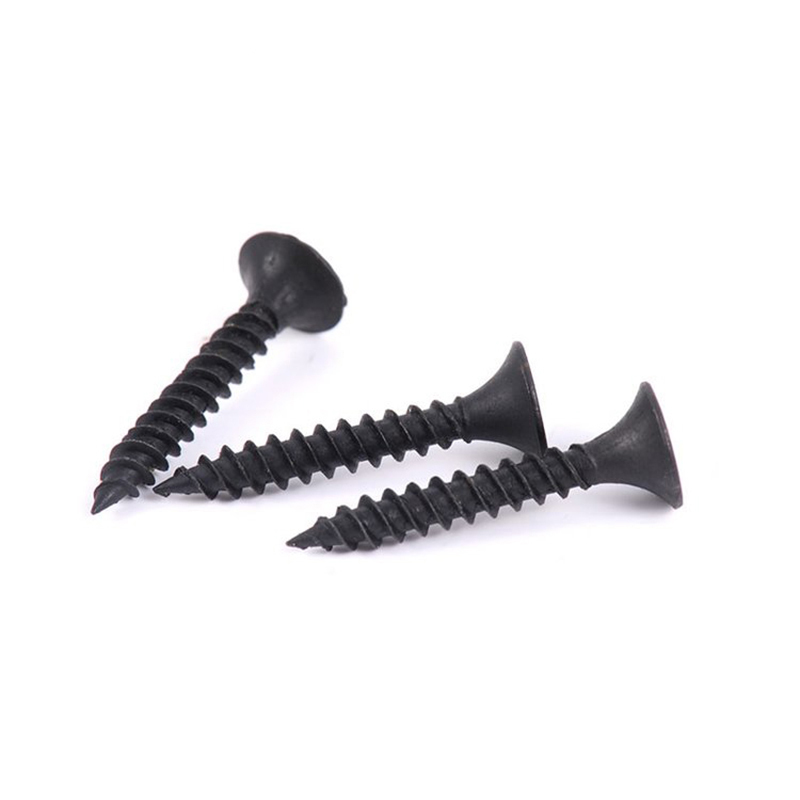
Before committing to a supplier for your drywall self-tapping screw needs, use this comprehensive checklist to evaluate potential vendors and ensure you receive products that meet your project specifications and quality expectations.
Confirm the supplier holds relevant certifications such as ISO 9001, CE marking, or ASTM compliance. These credentials validate their commitment to quality management systems and product consistency.
Request physical samples to test driving speed, holding strength, and finish quality. Evaluate how the screws perform with your standard installation tools and on your typical substrate materials.
Verify the supplier can meet your volume requirements within your timeline. Ask about daily output rates, inventory levels, and flexibility for rush orders or seasonal demand spikes.
Determine if the manufacturer offers custom lengths, coatings, or packaging configurations. Flexibility in customization can streamline your logistics and reduce waste on-site.
Review warranty terms, return policies, and technical support availability. A responsive supplier will address quality concerns promptly and provide guidance on optimal usage practices.
Assess packaging standards, shipping methods, and delivery reliability. Proper packaging prevents damage during transit, while reliable logistics ensure timely arrival at your project site.
Even with high-quality fasteners, installation challenges can arise. Understanding common issues and their root causes helps procurement teams avoid costly mistakes and ensures smoother project execution.
Problem: The screw head spins without advancing, leaving a loose connection.
Solution: This typically occurs when the screw hardness doesn't match the substrate density. Use screws with appropriate heat treatment for metal studs, and ensure your drill driver torque settings are correctly calibrated. SJCT provides detailed torque recommendations for each screw specification.
Problem: Cracking or breaking of the drywall paper around the screw head.
Solution: Over-driving the screw is the primary cause. Use clip heads or controlled-depth drivers to prevent excessive penetration. Select bugle-head screws specifically designed for drywall applications to distribute pressure evenly across the surface.
Problem: Rust appearing weeks or months after installation, compromising structural integrity.
Solution: Inadequate coating thickness or incompatible materials accelerate corrosion. Specify screws with minimum 5-micron zinc plating for indoor use, or opt for stainless steel variants in high-humidity environments. Our hot-dip galvanized options exceed industry standards for longevity.
Problem: Variations in screw dimensions or hardness between production batches.
Solution: Work with manufacturers who implement strict quality control protocols. SJCT conducts incoming material inspections, in-process monitoring, and final product testing on every batch, ensuring dimensional tolerance within ±0.05mm and consistent hardness ratings.
When sourcing drywall self-tapping screws, partnering with a manufacturer that combines scale, expertise, and reliability delivers the best outcomes. Here is why Hebei Shijing Changtian Metal Structure Products Co., Ltd. stands out as a preferred supplier for global buyers.
With 25,000 square meters of factory space and multiple automated production lines, SJCT can fulfill large-volume orders without compromising quality or delivery timelines. Their capacity ensures you never face supply shortages during peak construction seasons.
SJCT operates under ISO 9001, ISO 14001, and ISO 45001 certification frameworks. This triple-certification approach guarantees consistent product quality, environmentally responsible production, and safe working conditions throughout the supply chain.
Located in Yongnian District—the "Fastener Capital of China"—SJCT benefits from decades of accumulated expertise in metal fastener manufacturing. Their engineering team understands the nuances of drywall self-tapping screw design and can recommend optimal solutions for your specific application.
SJCT exports to markets across Europe, Asia, Africa, and the Americas. Their experience navigating international trade regulations, customs requirements, and diverse quality standards makes them a low-risk partner for overseas procurement projects.
Get answers to the most common questions from procurement professionals sourcing drywall self-tapping screws for construction projects.
Drywall self-tapping screws feature a sharper point, finer thread pitch, and often a bugle-shaped head designed specifically for drywall applications. Regular wood screws have coarser threads and blunt points optimized for wood grain penetration. Using the wrong type can result in poor holding power, material damage, or difficult installation.
The ideal screw length depends on the drywall thickness plus the depth of penetration into the underlying stud or framing material. For standard 12.5mm drywall attached to wood studs, a 25mm to 32mm screw is typically recommended. For metal studs, choose a length that penetrates at least 10mm into the steel frame. SJCT's technical team can provide specific length recommendations based on your project specifications.
Standard zinc-plated drywall screws are not suitable for prolonged outdoor exposure. For exterior applications, specify stainless steel or heavily galvanized variants with enhanced corrosion protection. SJCT offers weather-resistant options that meet ASTM B117 salt spray testing standards for coastal and high-humidity environments.
SJCT accommodates both standard and custom orders with flexible minimum quantities. For standard specifications, MOQs start at 10,000 pieces. Custom lengths, coatings, or packaging configurations typically require 50,000 pieces or more, depending on complexity. Contact our sales team for detailed pricing based on your specific requirements.
We implement a three-tier quality control system: incoming raw material inspection, in-process automated monitoring, and final product sampling testing. Each production batch is traceable through serial numbering, and we conduct periodic third-party laboratory testing to verify mechanical properties and coating thickness. This systematic approach ensures every drywall self-tapping screw meets your specifications.
SJCT offers multiple packaging formats including bulk boxes, cartons with inner dividers, vacuum-sealed bags, and custom-branded packaging. All packages are designed to protect against moisture and physical damage during transit. We can accommodate palletized shipments for container loads and provide detailed packing lists for customs clearance purposes.


Privacy statement: Your privacy is very important to Us. Our company promises not to disclose your personal information to any external company with out your explicit permission.
Fill in more information so that we can get in touch with you faster
Privacy statement: Your privacy is very important to Us. Our company promises not to disclose your personal information to any external company with out your explicit permission.